Our Blog

Archive for Announcements

Is Parking Lot Sealcoating Worth It for Small Business Owners?

If you own a business in Columbus, you know how much first impressions matter. Whether it’s customers pulling up to your shop on North High Street or clients visiting your office near Polaris Parkway, your parking lot says a lot about your professionalism. One of the best ways to maintain that curb appeal—and protect your investment—is sealcoating.
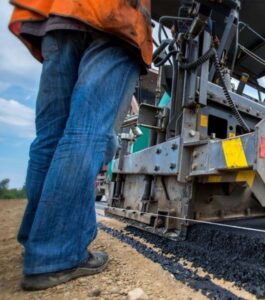
But is it really worth it for small business owners?

The short answer: yes. Sealcoating is more than a cosmetic fix. It’s a cost-effective maintenance step that helps your pavement last longer, look better, and save you money in the long run.

Key Takeaways

  • Sealcoating in Columbus keeps parking lots strong through harsh weather and helps small businesses avoid costly pavement damage.
  • A clean, dark parking lot surface creates better curb appeal and leaves a strong first impression on local customers.
  • Regular sealcoating saves money by reducing repair needs and protecting asphalt from road salt, oil, and chemicals.
  • A smart sealcoating plan with local experts ensures proper timing, quality materials, and dependable maintenance throughout the year.

How Sealcoating Benefits Small Business Parking Lots in Columbus

For Columbus business owners, maintaining your parking lot isn’t just about looks. Here’s how professional sealcoating keeps local business lots in top shape and saves you money in the long run:

Protects Against Ohio’s Harsh Freeze-Thaw Cycles

Columbus weather can be tough on asphalt. Between snowy winters, rainy springs, and hot summers, the constant freeze-thaw cycle takes a toll. When water seeps into cracks and freezes, it expands—causing even small fissures to widen.

Sealcoating acts as a waterproof barrier, keeping moisture out and protecting the base layer of your parking lot. This protection is especially critical in areas like Clintonville or Upper Arlington, where older commercial properties often have asphalt that’s seen decades of wear.

Enhances Curb Appeal for Local Customers

Columbus is a growing city, with competition around every corner—from coffee shops in the Short North to boutiques in German Village. A freshly sealed parking lot gives your property a clean, dark finish that makes painted lines pop and instantly improves the look of your business.

Customers notice when a property is well-kept, and that visual polish can influence their perception before they even walk through your door.

Reduces Long-Term Maintenance Costs

For small business owners watching every expense, preventive maintenance matters.

Without sealcoating, asphalt deteriorates faster, leading to costly patching or resurfacing. By scheduling regular sealcoating every two to three years, you’re extending your lot’s lifespan and delaying major repairs.

This proactive approach is especially valuable for Columbus businesses that manage their own facilities—like auto repair shops along Morse Road or strip malls in Hilliard—where pavement upkeep can quickly eat into profits if ignored.

Protects Against Damage from Road Salts and Chemicals

In the winter months, ODOT and local maintenance crews apply road salt throughout Franklin County to keep roads safe. Unfortunately, that same salt can break down unprotected asphalt. Sealcoating shields your lot from salt and automotive fluids like oil and gas, which can otherwise soften and weaken the pavement.

Business owners near Easton or Dublin, where traffic volume tends to be high, especially benefit from this added layer of protection.

Improves Safety and Accessibility for Visitors

A smooth, well-sealed parking lot doesn’t just look good—it’s safer. Sealcoating fills minor surface irregularities, reducing tripping hazards and improving traction for both pedestrians and vehicles. This is particularly important for small businesses that get a lot of foot traffic, such as restaurants near the Ohio State University campus or retail spaces in Grandview Heights.

Better traction and visibility can even reduce liability risks for property owners.

Planning a Smart Sealcoating Routine for Your Business Property

Evaluate the Current Condition of Your Asphalt

Before applying a new coat, it’s essential to assess your parking lot’s current state. In Columbus, many older lots show signs of wear from winter plowing and heavy rain. We start by checking for cracks, potholes, and drainage issues.

Addressing these first ensures the sealcoat bonds properly. A professional evaluation helps you avoid crack sealing over underlying damage, which can lead to premature failure.

Time Your Sealcoating for Columbus Weather

Timing is everything.

Sealcoating needs warm, dry weather to cure correctly, which makes late spring through early fall the ideal window in Columbus. We typically recommend planning projects between May and September when daytime highs stay above 50°F and rain chances are lower.

Avoiding peak pollen season can also help prevent debris from sticking to the fresh coating.

Choose the Right Sealcoating Material

Not all sealers are created equal.

Our experts use commercial-grade sealants formulated for Midwest climates. These materials are designed to resist UV damage, oxidation, and chemical spills.

For business lots in high-traffic areas like downtown Columbus or near The Ohio State University, we may recommend additives for extra durability and longer-lasting protection.

Schedule Regular Maintenance Intervals

Consistency is key to long-term savings. Once your first sealcoat is applied, plan to reapply every two to three years, depending on usage and exposure. High-traffic lots, like those near Lennox Town Center, may need more frequent touch-ups.

Keeping a routine schedule ensures your parking lot never deteriorates to the point where resurfacing is necessary, saving you thousands over time.

Work with a Professional Sealcoating Team

DIY kits might seem tempting, but professional-grade results come from experience and specialized equipment. Our team has worked on everything from small retail lots to industrial complexes throughout Franklin County. We understand local conditions, city codes, and the right materials to use for Columbus’s climate.

Partnering with a local expert ensures your project is done right the first time, without disruption to your business operations.

Keep Your Business Looking Sharp Year-Round

At Paveworks, we help Columbus business owners protect their investment with professional asphalt sealcoating designed for Ohio’s climate. Our experienced crew knows how to work around your business hours, minimize downtime, and deliver a smooth, long-lasting finish that makes your property shine.

Don’t wait until cracks turn into costly repairs. Call us today to request a free quote and get your parking lot ready for the Columbus seasons ahead.

Frequently Asked Questions

How long does sealcoating take to complete for a small business parking lot in Columbus?

Most sealcoating projects for small business lots in Columbus take one to two days, depending on weather and size. Work can be scheduled around business hours to avoid customer disruption.

Can sealcoating fix existing cracks or potholes in my parking lot?

Sealcoating helps prevent new damage but doesn’t repair deep cracks or potholes. Cracks should be filled and damaged areas patched before applying the sealcoat for the best long-term results.

How soon after paving can I apply sealcoating to new asphalt?

New asphalt usually needs about three months to cure before sealcoating. Waiting allows oils to settle, ensuring the coating adheres properly and provides strong, lasting protection.

Is commercial-grade sealcoating different from residential sealcoating?

Commercial-grade sealcoating uses stronger materials designed for heavy traffic and larger lots. It provides better durability and protection for properties that see regular vehicle flow throughout the day.

Can You Install an Asphalt Driveway on a Sloped Surface?

If your Columbus home sits on a sloped lot—whether it’s in Clintonville’s hilly terrain or the rolling elevations near Upper Arlington—you’ve probably wondered if an asphalt driveway is even possible.
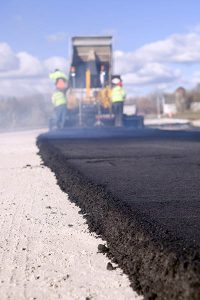
The good news?

Yes, you can install an asphalt driveway on a slope, but it takes experience, planning, and the right approach for Central Ohio’s unique conditions.

Below, we break down the key issues we run into on sloped jobs in Columbus, and how we address them to deliver a smooth, durable asphalt surface that holds up through Ohio’s freeze-thaw cycles and sudden summer downpours.

Key Takeaways

  • Asphalt driveways can work on sloped lots in Columbus with the right planning, grading, and local expertise.
  • Runoff, frost, poor traction, and shifting soils create problems for sloped driveways in many Columbus neighborhoods.
  • Smart installation includes slope measurement, soil prep, drainage, traction control, code compliance, and surface sealing.
  • Full-service help is available from Paveworks for sloped driveway projects anywhere across the Columbus area.

Key Challenges We See When Installing Asphalt Driveways on Sloped Properties in Columbus

Sloped driveways in Columbus present a unique set of challenges. And we’ve seen nearly all of them. Here’s what we watch for when paving asphalt on a slope, and why each step matters:

Water Runoff Can Erode Driveways Quickly if Not Handled Properly

One of the biggest issues with sloped asphalt in Columbus is water runoff. With our frequent spring rains and heavy summer storms, especially in neighborhoods like Merion Village or German Village, where older storm systems can’t always keep up, water can flow down a sloped driveway at high speed.

If the asphalt isn’t pitched correctly or lacks proper drainage features like swales or trench drains, the water can erode the surface or undercut the base layer, leading to cracking, sinking, or premature failure.

Freeze-Thaw Cycles Wreak Havoc on Sloped Surfaces

Columbus winters bring freeze-thaw cycles that are particularly hard on sloped asphalt. Unlike flat driveways, sloped surfaces experience uneven pressure as moisture expands and contracts under the asphalt.

In areas like Westerville or Dublin, where we get sudden cold snaps, we often see surface cracking or frost heave unless we’ve installed a proper sub-base and ensured excellent compaction.

Sloped Driveways Need Traction—Even More During Icy Seasons

Safety becomes a bigger concern on steep driveways, especially in snowy neighborhoods like Hilliard or New Albany, where residents often deal with black ice.

Without the right asphalt mix and surface finish, tires can spin, and footing becomes dangerous. We often recommend a textured finish and the use of coarse aggregate to increase grip on steeper inclines.

Poor Subgrade Conditions in Certain Columbus Neighborhoods

Some Columbus areas, like the river-adjacent homes in the Olentangy Highlands or sections of Gahanna, have softer soils or clay-heavy ground that can shift under pressure.

On a sloped lot, this movement can cause the asphalt to settle unevenly unless we stabilize the base correctly. Sloped installations in these zones require extra attention to soil conditioning and base reinforcement.

City Code and Zoning Constraints for Steep Driveways

In Columbus, you can’t just pour asphalt and call it a day. Properties with more extreme slopes—like those found along the Scioto River corridor—must follow city grading and stormwater guidelines set by the City of Columbus Department of Building and Zoning Services.

Permitting, drainage planning, and pitch limitations are all part of the process, and noncompliance can result in costly delays or failed inspections.

How We Can Successfully Install Asphalt Driveways on Sloped Lots in Columbus

Building a long-lasting driveway on a slope in Columbus takes more than just laying down pavement. Here’s how we approach sloped asphalt installations, step by step, to make sure it stands up to everything from heavy rain to deep frost:

We Start With a Detailed Site Evaluation and Slope Measurement

Every successful installation begins with an accurate understanding of the slope.

We don’t just eyeball it.

We use laser levels and site grading tools to determine pitch and runoff direction.

In neighborhoods like Victorian Village or Beechwold, where homes sit close together and space is tight, this precision helps us plan a layout that balances aesthetics, safety, and compliance.

We Engineer a Sub-Base That Supports Slope and Soil Type

The sub-base is everything on a hill.

Depending on whether you’re in the rocky ground near Upper Arlington or dealing with loamy soil in Reynoldsburg, we build a layered foundation that won’t shift under load.

This may include geotextile fabric, crushed limestone, and extra compaction passes to create a solid, load-bearing platform that holds up even under Ohio’s seasonal stresses.

We Integrate Smart Drainage Features for Long-Term Durability

Columbus homes on hillsides need driveways that manage water, not fight it. We often install trench drains at the base, side swales, or even permeable edge strips in areas where runoff is a major concern—like the flood-prone spots near the Alum Creek watershed.

These features keep water off the surface and away from your foundation.

We Use the Right Asphalt Mix and Surface Finish for the Grade

Not all asphalt is created equal, especially on a slope.

For higher-grade driveways, we use a denser binder mix with more angular aggregate that grips better and resists movement. On steeper slopes, we finish with a textured roller to improve traction—especially important in icy areas like Minerva Park or Blendon Woods.

We Ensure Compliance With Columbus City Permits and Codes

We handle all permitting through the City of Columbus, ensuring your sloped driveway meets setback, grading, and stormwater requirements.

In some areas—especially around older parts of the city like Franklinton—we may need to coordinate with local historic district guidelines or meet additional requirements related to drainage.

We Seal the Surface and Schedule Follow-up Maintenance

Once installed, we seal the driveway to protect it from Columbus’s UV exposure, road salt, and rainfall. But we don’t stop there. We also recommend a maintenance schedule tailored to the slope and surrounding conditions.

This includes routine crack sealing, repairs, and checking for any water diversion issues that may pop up after storms or winter freeze-thaws.

Thinking About Installing an Asphalt Driveway on a Slope? We’re Here to Help

At Paveworks, we specialize in sloped asphalt driveway installations across Columbus, from the hills of Clintonville to the inclines near Olde Towne East. We handle everything from base prep and drainage to permits and paving, making sure your driveway looks great and performs for years to come.

Let us take the guesswork out of your sloped driveway project. Contact us today to schedule an on-site evaluation and get a custom quote tailored to your lot and location.

Frequently Asked Questions

Can asphalt be installed over an old concrete driveway on a slope?

We typically recommend removing old concrete before asphalt installation on a slope to avoid shifting, drainage issues, and premature failure. At Paveworks, we assess your base condition and recommend the safest long-term solution.

How long does it take to install a sloped asphalt driveway in Columbus?

Most sloped driveway projects take two to four days from start to finish. Our crew at Paveworks handles excavation, base prep, asphalt paving, and site cleanup without unnecessary delays or shortcuts.

What kind of maintenance does a sloped asphalt driveway need after installation?

Steep driveways need sealing every few years and regular inspections for water damage or cracking. We offer ongoing maintenance services tailored to Columbus slopes and seasonal conditions to protect your investment.

Is asphalt better than concrete for sloped driveways in Columbus?

Asphalt is often better for steep grades because it offers more flexibility and better traction in cold weather. We help homeowners weigh materials based on slope, soil type, and long-term performance.

5 Things an Asphalt Company Wants You to Know Before Starting Your Project

Starting an asphalt paving project in Columbus, whether it’s a new driveway in German Village or resurfacing a parking lot near Polaris Fashion Place, isn’t something most property owners do every day.

As local paving professionals, we’ve seen firsthand how understanding a few key details ahead of time can make your project smoother, faster, and more cost-effective.

So before we bring out the rollers and lay down the mix, here are five things we want you to know that will make a big difference in your final results.

Key Takeaways

  • A strong base keeps asphalt from cracking or sinking during freeze-thaw cycles common in Columbus winters and springs.
  • Weather, permits, and shade in places like Clintonville or Short North can delay paving if not planned early.
  • Each paving job includes site inspection, grading, layered asphalt installation, compaction, and optional sealcoating after curing.
  • Long-lasting results come from planning around local conditions, using the right materials, and working with experienced Columbus pros.

1. Your Sub-Base Is More Important Than the Asphalt Itself

In Columbus, fluctuating Midwest weather and freeze-thaw cycles can destroy asphalt surfaces that weren’t built on a proper base. We’ve seen driveways along West Broad Street crumble within a year because the soil wasn’t stabilized or compacted correctly.

A strong sub-base—usually a mix of crushed stone and proper drainage—is what keeps asphalt from sinking, cracking, or heaving during Ohio’s harsh winters.

If we tell you that we need to dig a little deeper before paving, it’s not upselling.

It’s protecting your investment.

2. Timing Your Project With Columbus’s Weather Is Critical

Central Ohio weather changes quickly, especially in the spring and fall.

For asphalt to cure properly, we need consistent temperatures above 50°F and dry conditions. It’s why we often recommend scheduling projects between late April and mid-October. Trying to rush a job during rainy weeks or an early frost can shorten your pavement’s lifespan by years.

If you live in neighborhoods like Clintonville or around Bexley, where trees can create heavy shade, curing times may be even slower—and we’ll factor that into your timeline.

3. Local Zoning and Permitting May Impact Your Schedule

Each part of Franklin County has slightly different requirements for paving, especially for commercial lots. For example, if you’re in the Short North or planning work near Ohio State University, expect stricter zoning enforcement and possible sidewalk easement considerations.

We handle permitting for our clients, but we want you to be aware that approvals from the City of Columbus Department of Building and Zoning Services can sometimes take days—or even weeks—depending on the scope of work.

Starting the process early helps prevent delays.

4. Drainage Makes or Breaks Long-Term Pavement Performance

Columbus gets an average of 39 inches of rain a year, and poor drainage will destroy asphalt faster than almost anything else.

If your current surface has standing water after a storm—like we often see in older neighborhoods like Franklinton or near Hilltop—that’s a sign that your slope, guttering, or grading needs attention.

Before we pour any asphalt, we’ll look at how water moves across your property and recommend grading changes or even small catch basins if necessary.

It’s one of the most overlooked yet important parts of paving.

5. Not All Asphalt Mixes Are Created Equal

The asphalt we use in Central Ohio must stand up to both summer heat and winter freeze-thaw cycles. Some mixes are better suited for high-traffic commercial lots, while others are ideal for residential driveways in areas like Upper Arlington.

At Paveworks, we work with Ohio Department of Transportation (ODOT)-approved suppliers and always match the mix to your specific needs and usage.

Using the wrong mix—even if it’s cheaper—can lead to soft spots, early wear, and more frequent maintenance down the line.

What Happens Next After We Understand Your Project Needs

Once we’ve aligned on the five key factors above, the actual paving process can move forward confidently. Here’s how we make it happen in Columbus, step by step.

We Perform a Full Site Inspection and Measurement

Before any equipment rolls in, we’ll walk the site with you—whether it’s a business off Morse Road or a home near Worthington. We take precise measurements, assess drainage, examine soil stability, and identify any issues like soft spots or tree root intrusion.

This allows us to create an accurate plan and avoid surprises once the project begins.

We Prepare and Grade the Sub-Base

Using skid steers and compactors, we remove existing materials and start forming a solid sub-base. In neighborhoods like Beechwold, where soil can be clay-heavy, we may add additional stone layers to ensure drainage and prevent heaving.

Good grading at this stage ensures water flows away from your home or building and that the asphalt surface stays smooth for years to come.

We Lay the Asphalt in Controlled Layers

We install asphalt in multiple layers—typically a base course and a top finish layer—using heated equipment for consistent compaction.

For parking lots in places like Easton or heavy-traffic zones near Nationwide Arena, we’ll often use a thicker base layer and denser mix for durability. Each layer is compacted as it’s applied to create a seamless, long-lasting bond.

We Finish With Compaction and Edge Detailing

Once the asphalt is laid, we use vibratory rollers and plate compactors to press everything into place. This is when your new surface really starts to look polished.

Around the edges—especially along sidewalks in areas like the Arena District—we add angled transitions and sealing for a clean, finished look that also protects the pavement from erosion.

We Apply Optional Sealcoating and Striping

Depending on your needs, we can return after the asphalt has fully cured (usually after 90 days) to apply sealcoating and striping. This is especially useful for commercial lots near downtown Columbus or medical offices in Westerville.

It helps protect against oxidation, oil stains, and UV damage, while also clearly defining parking spots or walkways.

Avoid Costly Mistakes by Starting with the Right Plan

Many asphalt jobs in Columbus run into problems not because of poor workmanship, but because important factors were overlooked before the project began. Things like weather, drainage, and soil conditions in neighborhoods like Olde Towne East or Dublin can dramatically affect how long your pavement lasts.

At Paveworks, we take the time to evaluate your site, explain your options, and use the right materials and techniques for our Central Ohio conditions. Whether you’re planning a new driveway, resurfacing a retail parking lot, or updating access paths around a local school, we’re here to make the process simple, stress-free, and built to last.

Call us today to schedule your on-site estimate or request a free quote.

Let’s make sure your next paving project starts strong and finishes even stronger.

Frequently Asked Questions

How long should I wait before using my new asphalt surface?

You should wait at least 24 to 48 hours before driving on it and five to seven days before parking heavy vehicles.

Can damaged asphalt be repaired without replacing the entire surface?

Yes, we offer localized repairs like patching and infrared asphalt restoration to fix cracks, potholes, or soft spots without full replacement.

Do you offer ongoing maintenance services after the paving is done?

We provide sealcoating, crack filling, and regular surface inspections to extend your asphalt’s life and prevent costly early deterioration.

Is asphalt a better option than concrete for my driveway or parking lot?

Asphalt typically costs less than concrete, installs faster, and is easier to repair—especially during Ohio’s freeze-thaw cycles each year.

How Does a Maintenance Plan Help You Avoid Emergency Asphalt Repair in Columbus?

If you’ve ever hit a pothole along Cleveland Avenue or had to shut down a parking lot near Polaris during peak hours for last-minute repairs, you know how disruptive emergency asphalt work can be. In Columbus, with its mix of heavy freeze-thaw cycles, summer storms, and a constant flow of traffic around areas like Ohio State University and the Short North, asphalt takes a beating.

A well-structured maintenance plan is your best defense against sudden breakdowns that interrupt business, damage vehicles, and cost way more than planned upkeep ever would.

Here’s how it can keep you ahead of problems instead of scrambling to patch them last minute.

Key Takeaways

  • A local asphalt plan in Columbus stops water damage early by sealing cracks before winter freeze-thaw cycles cause damage.
  • Sealcoating, inspections, and smart scheduling reduce surface wear and avoid traffic problems in busy neighborhoods like Grandview and Easton.
  • Budget planning helps property owners in areas like Franklinton avoid surprise costs from emergency asphalt repairs and subbase failure.
  • Recurring potholes, faded asphalt, and frequent repairs show your current plan is failing to protect your pavement long-term.

Regular Crack Sealing Prevents Water Intrusion Early

Crack sealing is one of the most overlooked but most effective elements of a maintenance plan—especially in Columbus, where our winters are cold, wet, and unforgiving. When we don’t seal small cracks ahead of the freeze-thaw season, water seeps in, freezes, and expands, turning minor issues into major ones by spring.

Neighborhoods like Clintonville and Upper Arlington, with their older infrastructure, are especially prone to this kind of damage.

When maintenance includes consistent crack inspections and timely sealing, we’re able to stop water in its tracks before it compromises the subbase.

Timely Sealcoating Reduces Oxidation and Slows Surface Wear

Asphalt surfaces around Easton or Downtown Columbus are exposed to direct sunlight and vehicle traffic nearly year-round. Without sealcoating every few years, that exposure leads to oxidation—the drying out and breakdown of asphalt’s binding oils.

You’ll notice the surface starts turning gray and becomes more brittle, especially in high-use areas like strip mall lots along Morse Road.

A solid maintenance plan includes scheduled sealcoating that not only protects the surface but also gives it that rich black look that signals quality and professionalism.

Routine Inspections Catch Small Issues Before They Escalate

In places like Hilliard or Grove City, we often find that parking lots and drive lanes degrade faster when small drainage issues or surface raveling go unnoticed.

Routine walkthroughs and inspections—built into a maintenance plan—allow us to identify weak points like soft spots, early rutting, or ponding water before they become full-on emergencies.

Catching and repairing a shallow depression is far simpler than cutting out a large pothole that forms in the same spot months later.

Strategic Scheduling Minimizes Traffic Disruption

We know how busy areas like German Village and Grandview Heights can get, especially during events or tourist seasons. A big part of our maintenance planning involves working with property managers to schedule work during off-peak hours or off-seasons, avoiding disruptions that emergency work often causes.

When you’re stuck waiting on a last-minute patch crew, your options shrink. With a plan in place, we schedule work when it’s least invasive—and way more cost-effective.

Budget Forecasting Keeps Your Costs Predictable

One of the best advantages of a maintenance plan is that it lets you control your budget instead of reacting to it. When property owners in Columbus’s industrial corridors, like Franklinton or the Brewery District, are hit with an unexpected sinkhole or crumbling edge, they often scramble to find funding.

A proactive plan spreads costs out, gives clear timelines for upgrades, and eliminates the financial sting of urgent asphalt repairs that weren’t in the books.

Signs Your Current Maintenance Plan Isn’t Protecting You From Emergencies

Even if you already have a maintenance plan in place, it might not be doing its job. These are some of the key indicators we see across Columbus that suggest it’s time to re-evaluate your strategy.

Potholes Keep Forming in the Same Locations

Recurring potholes—especially in high-traffic areas like Bethel Road or near the OSU medical center—are usually a red flag that underlying issues aren’t being addressed. If your plan doesn’t include subbase assessments or proper drainage review, surface fixes won’t last.

Cracks Are Expanding Faster Than Expected

If you’re noticing that previously sealed cracks are widening or multiplying rapidly, especially after a single winter season, your plan may be missing the right timing. In Columbus, late fall sealing is essential to prepare for winter.

Delayed maintenance leads to costly spring surprises.

Pooling Water After Rainstorms

Poor drainage is a major issue in areas like Reynoldsburg or near the Scioto River, where even light storms can leave large puddles. If your pavement isn’t sloped correctly or drainage features aren’t maintained, water will accelerate asphalt failure.

Your plan should actively address this.

Surface Color Is Faded or Patchy

A maintenance plan that skips or delays sealcoating will leave your surface vulnerable. If your asphalt in spots like Worthington or Hilltop looks more gray than black and feels dry or brittle underfoot, it’s losing its weather resistance fast.

Sealcoating should be part of your regular schedule.

Repairs Are Always Reactive, Never Scheduled

If you’re constantly calling for repairs after something breaks instead of knowing when your next preventative service is due, your plan isn’t working. Businesses around the Arena District, for example, can’t afford this level of unpredictability.

Your asphalt strategy should eliminate surprises, not create them.

Get Ahead of Asphalt Trouble With a Local Plan That Works

Stop scrambling to fix pavement problems when it’s already too late.

At Paveworks, we build asphalt maintenance plans tailored specifically for the demands of Columbus properties. From seasonal sealing and inspections to long-term resurfacing schedules, we keep your pavement in top condition and your operations running without disruption. No more surprise potholes. No more weekend emergencies.

Let us help you take control of your asphalt before it takes control of your schedule.

Contact us today to schedule a free pavement assessment or request a custom maintenance plan.

Frequently Asked Questions

How often should commercial asphalt in Columbus be professionally inspected?

Commercial asphalt in Columbus should be inspected at least twice a year, especially after winter and summer, to catch seasonal damage early and keep your maintenance plan on schedule.

What’s included in a professional asphalt maintenance plan from Paveworks?

A maintenance plan from Paveworks includes crack sealing, sealcoating, surface inspections, drainage checks, and long-term repair scheduling tailored to your property’s traffic and Columbus climate.

Can maintenance plans be customized for multi-property owners in different Columbus neighborhoods?

Yes, we customize maintenance schedules across multiple properties in different parts of Columbus based on traffic levels, surface age, and local wear patterns.

Do you offer winter asphalt services in Columbus?

Yes, we provide cold patch repairs and winter-safe inspections during the colder months to manage urgent issues until full repairs can be done in warmer weather.

Should You Prioritize Asphalt Repair or Full Repaving in Columbus?

If your driveway or parking lot in Columbus is starting to show signs of wear, it’s normal to wonder: do I just patch things up, or is it time to start fresh with a full repave?

That’s a question we hear all the time from homeowners in Clintonville and business owners near Polaris Parkway. The answer really depends on a few key factors.

At Paveworks, we’ve seen firsthand that not every crack or pothole means it’s time to tear everything out. Sometimes targeted repairs can extend the life of your surface for years. Other times, patching is just a band-aid over deeper issues.

Let’s walk through when asphalt repair is the smarter investment—and when repaving is the better call.

Key Takeaways

  • Not all cracked asphalt in Columbus needs replacement when the base is solid and surface wear is still minor.
  • Small, isolated issues like potholes or early cracking can often be repaired without shutting down your whole lot.
  • Older surfaces with wide cracks or drainage problems around Columbus often need full repaving to fix the real cause.
  • A local expert can inspect your asphalt and help you avoid wasting money on the wrong type of fix.

When Asphalt Repair Makes More Sense in Columbus

Not every worn or cracked asphalt surface in Columbus needs to be torn out and repaved. Here are a few signs that point toward it being the better option, especially for property owners trying to stretch their budget without cutting corners.

Your Surface Is Structurally Sound but Visibly Worn

Columbus winters are rough on asphalt, especially with our constant freeze-thaw cycles.

If your asphalt looks gray and weathered but still feels solid underfoot, the surface layer may just be oxidized or lightly cracked. We often see this on residential driveways in Upper Arlington and Worthington, where light vehicle traffic doesn’t do much structural damage.

In these cases, sealcoating or crack filling can restore appearance and prevent water from seeping in and making things worse.

The Damage Is Localized to One Area

Not every pavement problem affects the entire surface.

If you’ve got one or two potholes forming near storm drains or heavily used parking spots—like we often see at businesses along Bethel Road—it could be caused by isolated drainage or subbase issues.

Asphalt repair allows us to target the damaged area without ripping up the rest of your lot. It’s a faster fix that won’t disrupt your business or home access for days.

You Recently Had Paving Done, But Early Issues Appeared

In fast-growing areas like Hilliard and New Albany, we’ve encountered newer asphalt surfaces that develop issues because of poor installation or unexpected soil movement.

If your pavement is only a few years old but showing premature cracking, a full repave is likely unnecessary. Strategic patching and sealing can correct the problem areas and prevent early failure without tossing out all the recent work and investment.

You’re Managing a Tight Budget

Sometimes the biggest factor is cost, and that’s okay. We work with plenty of small businesses near Parsons Avenue and homeowners in Franklinton who need results without a full overhaul.

Repairing targeted sections of your asphalt can help you stretch your budget while still preventing safety hazards like trip hazards or tire damage. It also buys you time to plan for a full repave down the line when the budget allows.

When It’s Time to Prioritize Full Repaving in Columbus

Sometimes repairs can buy you a few more good years, but not always. Here are the most common signs we see around town that tell us they won’t cut it anymore.

The Surface Has Widespread Alligator Cracking

If your asphalt has alligator cracking—those interconnected, scaly lines—across large areas, especially in high-traffic spots like near Easton Town Center or on commercial lots near Morse Road, it usually means the foundation beneath is compromised.

Surface-level patching won’t stop the spreading. In these cases, we recommend paving to address both the surface and subbase, ensuring long-term durability.

Drainage Issues Are Causing Chronic Damage

Some parts of Columbus, especially the low-lying sections near the Scioto River or around Hayden Run, deal with frequent standing water. If water is pooling or draining poorly across your pavement, patching won’t fix the underlying grade or slope problems.

A full repave lets us regrade the surface, install proper drainage features, and prevent the kind of erosion and cracking that water causes over time.

Your Surface Has Reached the End of Its Lifespan

Even the best-laid asphalt in areas like Bexley or Grandview Heights has a shelf life.

After 15 to 20 years, especially if regular maintenance was skipped, the surface will start breaking down beyond repair. At that point, you’re better off starting fresh.

We can rebuild the base layers and top it with new asphalt that’ll last another two decades with proper care.

You Want a Better Look and Long-Term Value

First impressions matter, especially for businesses along the High Street or property managers in Dublin. A patched-up surface can sometimes look like a quilt of different colors and textures, which can turn off customers or renters.

Full repaving not only improves curb appeal but also adds long-term property value. It’s a smart move if you’re preparing for resale or trying to elevate your property’s appearance.

Need Help Deciding Between Asphalt Repair or Repaving?

It’s not always obvious what your pavement needs just by looking at it.

You might think those surface cracks are harmless, but they could be signs of something deeper, especially with the impact of Columbus’ freeze-thaw cycles, tree root growth in neighborhoods like Olde Towne East, or drainage challenges common in the suburbs.

At Paveworks, we’ve helped hundreds of property owners across Central Ohio make the right choice between repair and repaving.

We offer detailed evaluations, walk you through the pros and cons, and give honest recommendations based on your pavement’s condition, not just our bottom line.

If you’re in Columbus and trying to decide between patching or repaving, reach out to us today to schedule a free assessment.

Why Do So Many Driveways Fail in Columbus? A Paving Contractor Breaks It Down

Driveways across Columbus take a beating year-round. In neighborhoods like Clintonville, it’s common to see concrete cracking apart. Over in German Village, aged asphalt breaks down into loose gravel. And in parts of Olde Towne East, entire sections of driveway can dip or buckle from years of neglect or poor prep work.

These aren’t isolated problems—they’re symptoms of deeper issues affecting thousands of homes across the city. So, why do so many driveways fail prematurely in Columbus?

The answer lies in a mix of climate stress, poor planning, and long-term wear.

Here’s a breakdown of the most common culprits and how to stay ahead of them.

Key Takeaways

  • Columbus driveways break down fast because freeze-thaw cycles expand tiny cracks into big pavement problems every winter.
  • Poor drainage in low-lying neighborhoods lets water erode the base layer, making driveways sink, crack, or soften.
  • Fast-track construction in suburbs often skips proper base prep, causing driveways to shift and fail way too soon.
  • Heavy vehicles like moving trucks or RVs overstress surfaces not built for them, leading to early cracks and rutting.
  • Cheap pavement mixes and skipped maintenance speed up breakdowns that could’ve been avoided with better materials and care.

Freeze-Thaw Cycles Are Brutal on Pavement

Columbus winters don’t need to be severe to do serious damage. What gets driveways here isn’t just snow—it’s the constant temperature swings between freezing and thawing, especially during late fall and early spring.

When water seeps into small cracks and freezes, it expands. Then it melts and contracts, only to refreeze again. This cycle repeats dozens of times each season, steadily prying the pavement apart.

Driveways in shaded areas or those with existing surface wear break down faster because they don’t dry out quickly.

What You Can Do

  • Seal your driveway every 2–3 years: This helps block water from seeping into cracks before winter starts.
  • Seal small cracks early: Catching them before the first hard freeze can stop them from growing.
  • Use flexible sealants: They expand and contract with the weather, making them ideal for Ohio’s shifting temperatures.

Poor Drainage Undermines the Entire Structure

Water that doesn’t drain properly is one of the biggest threats to driveway longevity. In flat or low-lying parts of Columbus, like Linden or Hilltop, heavy rain can pool on the surface or collect underneath. This softens the sub-base and slowly erodes it, leaving the surface unsupported.

Over time, the driveway starts to sink, crack, or develop soft spots—even if the pavement itself was installed correctly.

What You Can Do

  • Ensure proper slope: Driveways should always slope away from buildings and toward the street or a drain.
  • Install drainage systems: French drains or channel drains help divert water, especially on properties near the Olentangy River.
  • Consider regrading: If your lot traps water, a slight regrade can make a big difference in runoff control.

A Weak Base Means a Short Lifespan

Even thick, high-quality pavement won’t last if the base beneath it is poorly built. Some contractors rush the job or use insufficient gravel, leaving your driveway vulnerable to shifting soil and heavy loads. This is especially problematic in newer developments around Gahanna and Westerville, where rapid construction sometimes means corners get cut.

Without a compacted, layered base, your pavement will crack and settle long before its time.

What You Can Do

  • Ask about the sub-base material: Crushed stone compacted in layers is the gold standard.
  • Don’t skip soil testing: Soft or expansive soils need extra prep, including stabilization or thicker bases.
  • Insist on proper compaction: Every layer—from soil to stone—needs to be compacted to avoid settling later on.

Driveways Aren’t Built for Heavy Loads

Driveways are often designed for daily passenger vehicles—not for delivery trucks, moving vans, RVs, or work trailers. Yet in neighborhoods like Polaris and New Albany, larger vehicles are frequently parked on residential driveways.

Over time, this added weight causes stress fractures, rutting, or even total surface failure, especially if the pavement wasn’t reinforced for such loads in the first place.

What You Can Do

  • Upgrade the pavement thickness: Go with at least 3 inches of commercial-grade asphalt or 5+ inches of reinforced concrete.
  • Use higher PSI concrete: A 4,000+ psi mix with rebar or mesh reinforcement adds serious durability.
  • Limit heavy vehicle parking: If upgrading isn’t feasible, avoid long-term parking of large vehicles in the same spot.

Low-Quality Materials Fail Early

Some driveways fail simply because the materials were never right to begin with. Cheap asphalt oxidizes quickly, becoming brittle within a year or two. Low-grade concrete may not have the strength to withstand even moderate weather cycles.

In Columbus, where pavement endures heat, cold, salt, and water exposure, using the wrong mix is a recipe for early breakdown.

What You Can Do

  • Ask for DOT-rated materials: These are designed to handle freeze-thaw conditions and resist weathering.
  • Request mix details up front: A reputable contractor should explain the type of mix and why it’s appropriate for your area.
  • Avoid low bids that skip quality checks: A slightly higher upfront cost often saves you thousands down the line.

Tree Roots and Shifting Soil Cause Hidden Damage

Beautiful, mature trees are part of what makes neighborhoods like Merion Village or the areas near Schiller Park so appealing. But underground, their roots can be pushing against your driveway, slowly lifting or cracking it.

On top of that, much of Columbus sits on clay-rich soil, which expands in wet conditions and contracts during dry spells. This movement puts uneven pressure on your driveway slab and leads to sinking or heaving.

What You Can Do

  • Avoid planting trees too close to pavement: Leave enough space for roots to grow away from driveways.
  • Use root barriers when possible: These redirect root growth and reduce surface disruption.
  • Install permeable pavers: They’re more flexible and can shift slightly with the soil without cracking.

Neglect Turns Minor Problems Into Major Repairs

Driveways wear down gradually and not all at once. A small crack becomes a large one. A little oil stain starts breaking down the surface. We see this all over Columbus: neglected maintenance turning into major repair jobs.

The good news is that a little attention goes a long way in preventing long-term damage.

What You Can Do

  • Inspect your driveway every spring: Freeze-thaw damage often shows up right after winter ends.
  • Wash off oil and chemicals regularly: Fluids from vehicles break down both asphalt and concrete.
  • Reseal and fill cracks as needed: Annual or biennial pavement maintenance is far cheaper than full reconstruction.

Get a Driveway That Lasts in Columbus

Tired of patching the same spots year after year?

You’re not alone. Homeowners all over Columbus—from Victorian Village to Grove City—struggle with driveway issues caused by weather, poor installation, and soil problems. But it doesn’t have to be that way.

At Paveworks, we build driveways that are designed to handle Central Ohio’s unique climate and soil conditions. Whether you’re dealing with drainage issues, crumbling asphalt, or root damage, we can repair or replace your driveway with long-lasting results.

Let’s fix it right the first time.

Contact us today to schedule an inspection or request a free quote.

What Can Go Wrong Without Proper Commercial Asphalt Maintenance in Columbus?

If you own or manage commercial property in Columbus, OH, you already know how vital curb appeal and safety are for your business. The asphalt in your parking lots and driveways doesn’t just support traffic—it represents your brand, keeps visitors safe, and helps avoid expensive liability issues.

But Columbus’ climate, from freeze-thaw cycles in the winter to sweltering summer heat, can be tough on asphalt. Without regular maintenance, even small problems can spiral into major damage fast.

Here’s a breakdown of what can go wrong when commercial asphalt maintenance is neglected in Columbus—and why staying ahead of these issues matters for your bottom line.

Key Takeaways

  • Cracks spread fast in Columbus winters when water freezes in asphalt and turns small gaps into deep alligator damage.
  • Potholes often pop up near high-traffic zones like Polaris and downtown, risking trips, dents, and lawsuits.
  • Poor drainage during spring rains can sink asphalt and flood spots like Easton or Brewery District storefronts.
  • Faded lines in busy lots confuse drivers, hurt accessibility, and may trigger ADA fines or traffic mishaps.
  • Skipping maintenance now means bigger bills later when $500 fixes become $15,000 reconstructions along High Street.

Cracking from Freeze-Thaw Cycles

Columbus winters bring frequent freeze-thaw cycles that take a serious toll on asphalt.

When water seeps into cracks and freezes, it expands, widening and deepening the damage with each temperature swing. This process often leads to extensive alligator cracking, especially in older lots around Clintonville or high-traffic areas like Morse Road.

At Paveworks, we offer professional crack sealing and repair services to stop this damage in its tracks—protecting your pavement before it requires costly full-depth reconstruction.

Potholes That Pose Safety and Liability Risks

Neglected asphalt often leads to potholes, especially in high-traffic areas like around Polaris Parkway shopping centers or downtown parking garages. When asphalt weakens from water intrusion and traffic load, it breaks apart.

Potholes don’t just look bad—they’re a serious tripping hazard for pedestrians and a liability risk if vehicles are damaged.

Business owners in the Short North or near the OSU campus can face lawsuits or insurance claims if someone gets hurt because of poor pavement conditions.

Drainage Issues That Cause Structural Damage

Columbus often gets heavy spring rains, and if your commercial lot lacks proper maintenance, water can pool in low spots or run toward buildings. Poor drainage erodes the sub-base and compromises asphalt stability, leading to sinking or shifting sections.

In areas like Easton or the Brewery District, this can be especially problematic where foot traffic is constant and water runoff needs to be tightly managed to protect both structures and landscaping.

Faded Striping That Hurts Accessibility and Traffic Flow

Without sealcoating and parking lot striping, parking lines and directional arrows fade—sometimes within a year in high-use areas like shopping centers on Bethel Road or professional offices in Upper Arlington.

Faded striping leads to confusion for customers, delivery vehicles, and emergency responders. It can also violate ADA regulations if handicap-accessible spaces aren’t clearly marked, opening your business up to compliance issues and fines.

Accelerated Oxidation and Surface Wear

UV exposure is a year-round issue in Columbus, especially during the long sunny stretches in summer. When asphalt isn’t sealcoated every few years, the binder that holds the aggregate together dries out and oxidizes. This leads to a brittle surface that ravel apart under vehicle pressure.

In commercial zones like Hilliard or Grandview Heights, this wear happens even faster due to frequent vehicle turnover, turning what was once smooth pavement into loose gravel and dust.

Loss of Property Value and Curb Appeal

First impressions matter—especially for businesses near high-traffic areas like North Market or East Broad Street. If customers pull into a cracked, faded, or pothole-ridden parking lot, it reflects poorly on your brand.

Properties with neglected asphalt lose their visual appeal and can turn away potential tenants, customers, or clients. It’s not merely about looks; it’s about protecting your investment and attracting foot traffic with a professional appearance.

Higher Repair Costs Down the Line

Staying ahead of pavement issues can save you thousands in the long run.

While early crack sealing is cost-effective, even if damage has progressed, our asphalt resurfacing services offer a reliable, long-lasting solution.

At Paveworks, we help you turn what could’ve been a costly headache into a smart investment, restoring the look and strength of your lot without the need for full reconstruction.

In Columbus, where freeze-thaw cycles and moisture intrusion are so common, these small issues escalate quickly.

Properties along High Street or near the Ohio Expo Center that don’t stay on top of maintenance often face complete reconstruction sooner than expected—cutting deep into capital improvement budgets.

Protect Your Pavement—And Your Investment

Neglecting commercial asphalt maintenance in Columbus isn’t just risky—it’s expensive. With our harsh seasonal swings and high traffic in places like downtown, German Village, or Dublin, it doesn’t take long for small issues to become major liabilities.

At Paveworks, we specialize in helping Columbus businesses keep their asphalt surfaces safe, sharp-looking, and structurally sound. Whether it’s routine sealcoating, line striping, or preventative crack repair, we’ve got your pavement covered.

Don’t wait for the damage to spread—contact us today to schedule an inspection or request a quote and see how simple it is to stay ahead of costly repairs.

Request Estimate