
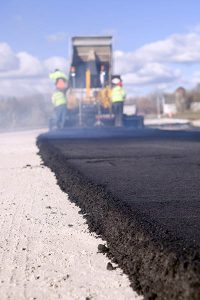
 Starting an asphalt paving project in Columbus, whether it’s a new driveway in German Village or resurfacing a parking lot near Polaris Fashion Place, isn’t something most property owners do every day.
As local paving professionals, we’ve seen firsthand how understanding a few key details ahead of time can make your project smoother, faster, and more cost-effective.
So before we bring out the rollers and lay down the mix, here are five things we want you to know that will make a big difference in your final results.
Key Takeaways
- A strong base keeps asphalt from cracking or sinking during freeze-thaw cycles common in Columbus winters and springs.
- Weather, permits, and shade in places like Clintonville or Short North can delay paving if not planned early.
- Each paving job includes site inspection, grading, layered asphalt installation, compaction, and optional sealcoating after curing.
- Long-lasting results come from planning around local conditions, using the right materials, and working with experienced Columbus pros.
1. Your Sub-Base Is More Important Than the Asphalt Itself
In Columbus, fluctuating Midwest weather and freeze-thaw cycles can destroy asphalt surfaces that weren’t built on a proper base. We’ve seen driveways along West Broad Street crumble within a year because the soil wasn’t stabilized or compacted correctly.
A strong sub-base—usually a mix of crushed stone and proper drainage—is what keeps asphalt from sinking, cracking, or heaving during Ohio’s harsh winters.
If we tell you that we need to dig a little deeper before paving, it’s not upselling.
It’s protecting your investment.
2. Timing Your Project With Columbus’s Weather Is Critical
Central Ohio weather changes quickly, especially in the spring and fall.
For asphalt to cure properly, we need consistent temperatures above 50°F and dry conditions. It’s why we often recommend scheduling projects between late April and mid-October. Trying to rush a job during rainy weeks or an early frost can shorten your pavement’s lifespan by years.
If you live in neighborhoods like Clintonville or around Bexley, where trees can create heavy shade, curing times may be even slower—and we’ll factor that into your timeline.
3. Local Zoning and Permitting May Impact Your Schedule
Each part of Franklin County has slightly different requirements for paving, especially for commercial lots. For example, if you’re in the Short North or planning work near Ohio State University, expect stricter zoning enforcement and possible sidewalk easement considerations.
We handle permitting for our clients, but we want you to be aware that approvals from the City of Columbus Department of Building and Zoning Services can sometimes take days—or even weeks—depending on the scope of work.
Starting the process early helps prevent delays.
4. Drainage Makes or Breaks Long-Term Pavement Performance
Columbus gets an average of 39 inches of rain a year, and poor drainage will destroy asphalt faster than almost anything else.
If your current surface has standing water after a storm—like we often see in older neighborhoods like Franklinton or near Hilltop—that’s a sign that your slope, guttering, or grading needs attention.
Before we pour any asphalt, we’ll look at how water moves across your property and recommend grading changes or even small catch basins if necessary.
It’s one of the most overlooked yet important parts of paving.
5. Not All Asphalt Mixes Are Created Equal
The asphalt we use in Central Ohio must stand up to both summer heat and winter freeze-thaw cycles. Some mixes are better suited for high-traffic commercial lots, while others are ideal for residential driveways in areas like Upper Arlington.
At Paveworks, we work with Ohio Department of Transportation (ODOT)-approved suppliers and always match the mix to your specific needs and usage.
Using the wrong mix—even if it’s cheaper—can lead to soft spots, early wear, and more frequent maintenance down the line.
What Happens Next After We Understand Your Project Needs
Once we’ve aligned on the five key factors above, the actual paving process can move forward confidently. Here’s how we make it happen in Columbus, step by step.
We Perform a Full Site Inspection and Measurement
Before any equipment rolls in, we’ll walk the site with you—whether it’s a business off Morse Road or a home near Worthington. We take precise measurements, assess drainage, examine soil stability, and identify any issues like soft spots or tree root intrusion.
This allows us to create an accurate plan and avoid surprises once the project begins.
We Prepare and Grade the Sub-Base
Using skid steers and compactors, we remove existing materials and start forming a solid sub-base. In neighborhoods like Beechwold, where soil can be clay-heavy, we may add additional stone layers to ensure drainage and prevent heaving.
Good grading at this stage ensures water flows away from your home or building and that the asphalt surface stays smooth for years to come.
We Lay the Asphalt in Controlled Layers
We install asphalt in multiple layers—typically a base course and a top finish layer—using heated equipment for consistent compaction.
For parking lots in places like Easton or heavy-traffic zones near Nationwide Arena, we’ll often use a thicker base layer and denser mix for durability. Each layer is compacted as it’s applied to create a seamless, long-lasting bond.
We Finish With Compaction and Edge Detailing
Once the asphalt is laid, we use vibratory rollers and plate compactors to press everything into place. This is when your new surface really starts to look polished.
Around the edges—especially along sidewalks in areas like the Arena District—we add angled transitions and sealing for a clean, finished look that also protects the pavement from erosion.
We Apply Optional Sealcoating and Striping
Depending on your needs, we can return after the asphalt has fully cured (usually after 90 days) to apply sealcoating and striping. This is especially useful for commercial lots near downtown Columbus or medical offices in Westerville.
It helps protect against oxidation, oil stains, and UV damage, while also clearly defining parking spots or walkways.
Avoid Costly Mistakes by Starting with the Right Plan
Many asphalt jobs in Columbus run into problems not because of poor workmanship, but because important factors were overlooked before the project began. Things like weather, drainage, and soil conditions in neighborhoods like Olde Towne East or Dublin can dramatically affect how long your pavement lasts.
At Paveworks, we take the time to evaluate your site, explain your options, and use the right materials and techniques for our Central Ohio conditions. Whether you’re planning a new driveway, resurfacing a retail parking lot, or updating access paths around a local school, we’re here to make the process simple, stress-free, and built to last.
Call us today to schedule your on-site estimate or request a free quote.
Let’s make sure your next paving project starts strong and finishes even stronger.
Frequently Asked Questions
How long should I wait before using my new asphalt surface?
You should wait at least 24 to 48 hours before driving on it and five to seven days before parking heavy vehicles.
Can damaged asphalt be repaired without replacing the entire surface?
Yes, we offer localized repairs like patching and infrared asphalt restoration to fix cracks, potholes, or soft spots without full replacement.
Do you offer ongoing maintenance services after the paving is done?
We provide sealcoating, crack filling, and regular surface inspections to extend your asphalt’s life and prevent costly early deterioration.
Is asphalt a better option than concrete for my driveway or parking lot?
Asphalt typically costs less than concrete, installs faster, and is easier to repair—especially during Ohio’s freeze-thaw cycles each year.


